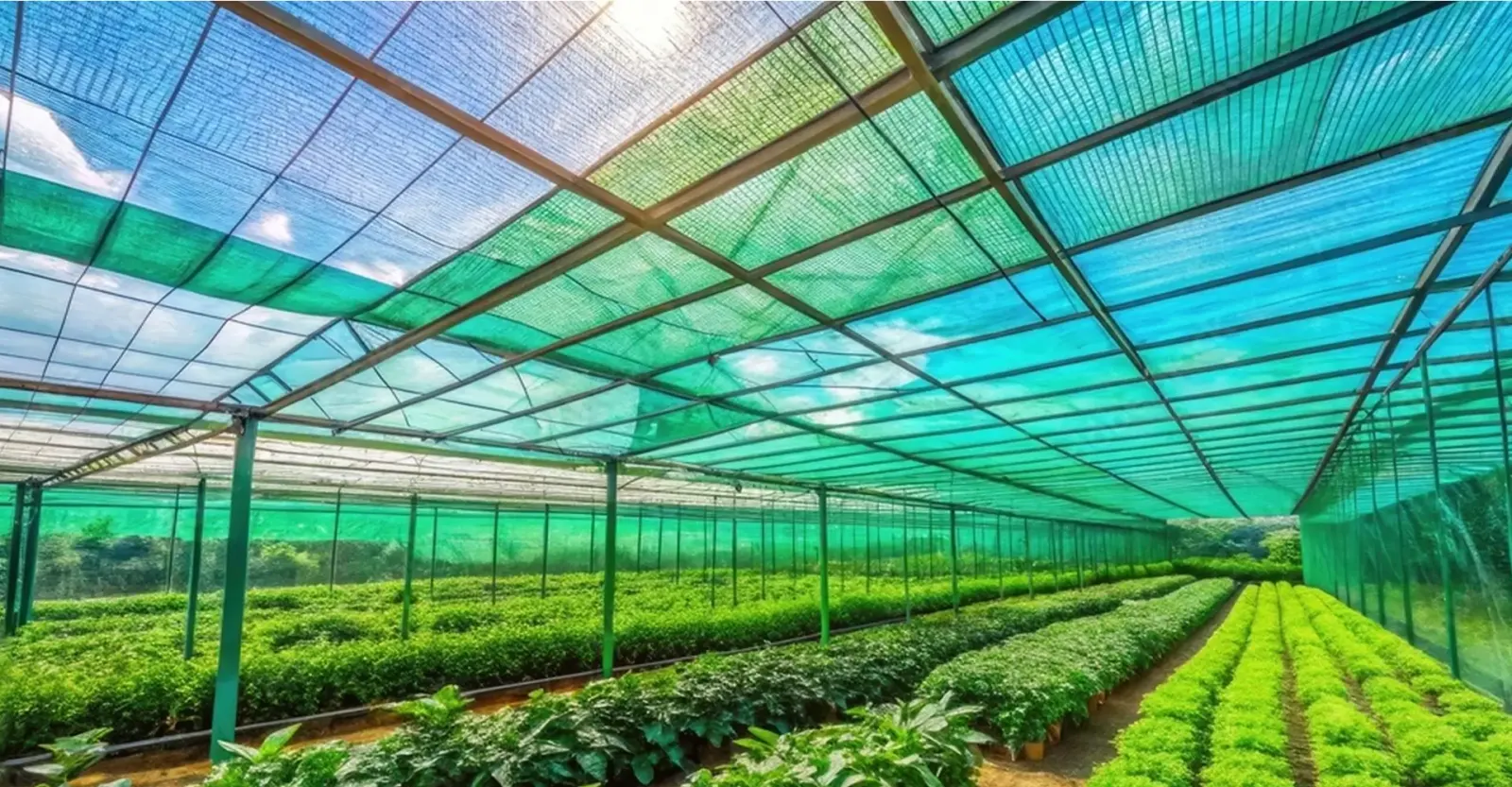
How to Choose the Right Shade Net Percentage
Shade percentage is the single most important number on a shade net label, and also the one buyers get wrong most often. Too little shade and crops scorch in May. Too much and they stretch, pale and underproduce. Here is how to get it right.
What Shade Percentage Means
A 50% shade net blocks roughly half of the incoming sunlight. The number comes from the knit density — more yarn per square centimetre means more shade, more weight (higher GSM) and slightly less airflow.
Quick Selection Table
| Shade Factor | Best For |
|---|---|
| 30% to 35% | Windbreaks, light hardening of seedlings, monsoon season use |
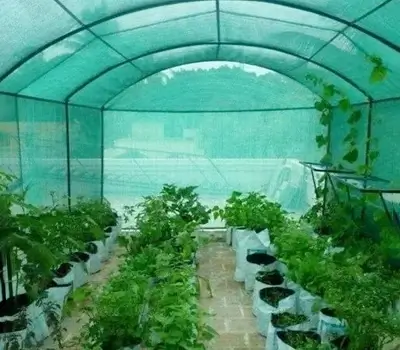
| 50% | Most vegetables, general nursery work, poly house roofs |
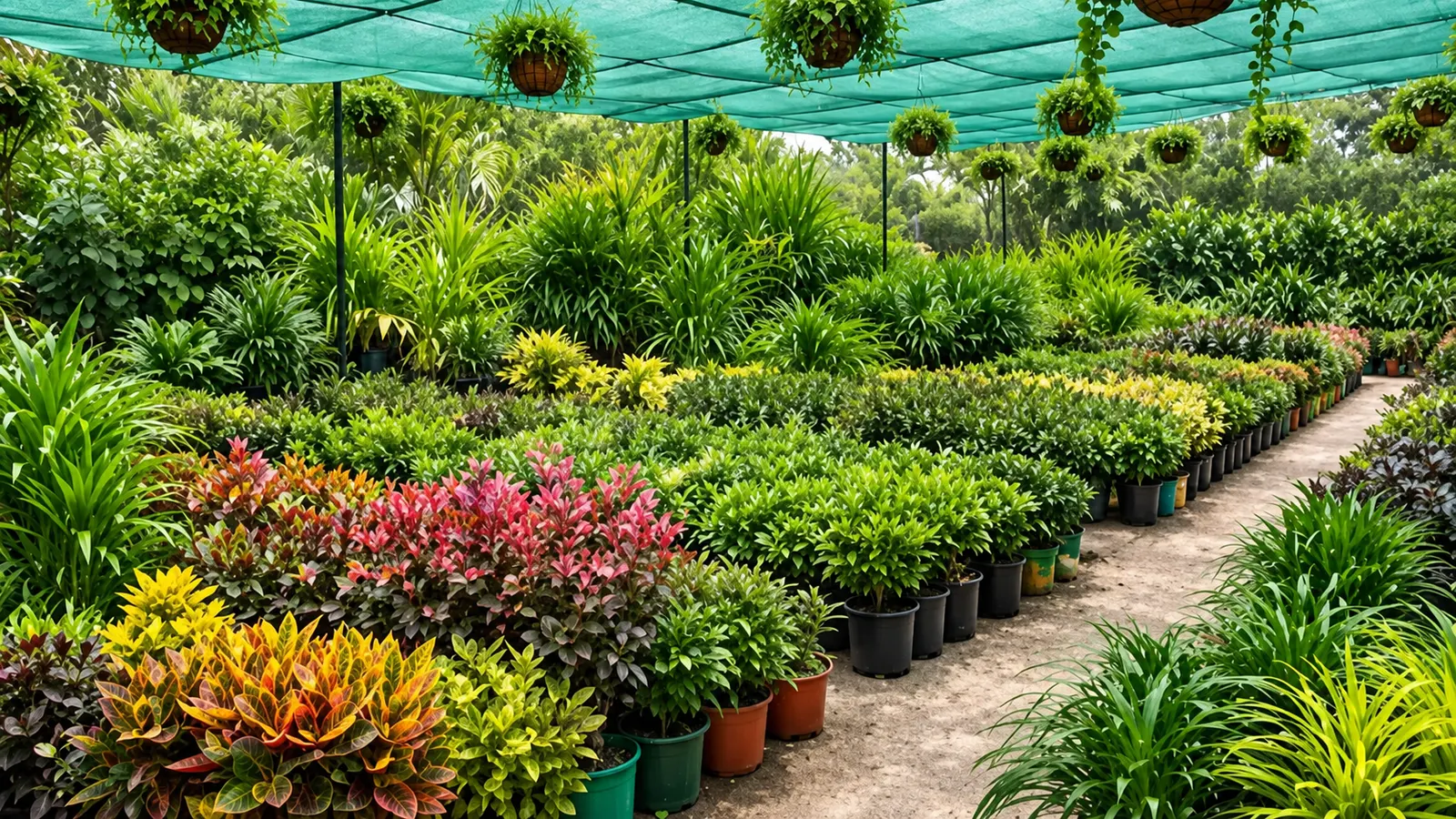
| 75% | Ornamental plants, ferns, indoor plant nurseries, cattle sheds |
| 90% | Car parking, construction screening, full shade storage areas |
Choosing by Crop
Vegetables such as tomato, chilli and capsicum do well under 35% to 50%. They need real sun to fruit — the net's job is to cut the peak afternoon stress, not to create dusk.
Leafy greens like spinach and lettuce prefer 50% in summer. The leaves stay tender and bolting slows down.
Nurseries typically run 50% for hardened stock and 75% for fresh cuttings and shade loving ornamentals. Many professional nurseries keep two bays with different nets.
Floriculture crops such as gerbera and orchids are usually grown under 50% to 75% depending on the flower and the region's light intensity.
Choosing by Region
The same crop needs different shade in different places. In the intense sun belt of Gujarat, Rajasthan and central India, step up one level from the generic advice. In milder or cloudier regions, step down. If you are between two values, buy the lighter shade — you can always double a section, but you cannot un-knit a net.
Non-Farming Uses
For car parking, comfort is the goal, so go dark: 90% or higher blocks the heat that bakes dashboards. For construction screening, 75% is the common choice — dense enough to contain dust and debris while letting wind pass.
Colour Matters Too
Green is the all-round standard and hides dirt well. Black gives maximum UV absorption and the longest life. White reflects light and keeps greenhouse interiors bright and cool. Beyond these, we manufacture nets in any colour you need — blue, beige, yellow, red or a custom shade matched to your project.
Still unsure? Tell us your crop, city and structure through the quote form and we will recommend an exact shade factor and GSM, free of charge.
Frequently Asked Questions
Need HDPE nets for this application?
Factory direct pricing, custom sizes and honest specs from our plant in Bhavnagar.
Get a QuoteMajestic Nets Team
Articles from the people who run the extrusion and knitting lines at Majestic Nets Pvt. Ltd.. We write the guides we wish our customers had before buying.